

When you invest in dental implants, you’re not just paying for new teeth—you’re investing in how you will eat, speak, and smile for years to come. One of the first questions patients at JP Prosthodontics in Fullerton, CA ask is simple: “How long will my dental implants actually last?”
The honest answer: with proper planning, placement, and maintenance, implants can last decades and often the rest of your life. But that outcome is not automatic. It depends on the quality of the treatment you receive and the way you care for your implants over time.
This guide explains how long dental implants typically last, what can shorten their lifespan, and what you can do to protect your investment.
The Parts of a Dental Implant (And Which Part “Lasts” the Longest)
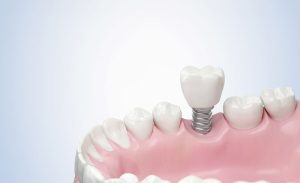
“Dental implant” is often used casually to describe the entire replacement tooth, but there are three main components:
- The titanium implant: The screw-like post placed in your jawbone
- The abutment: The connector between the implant and the restoration
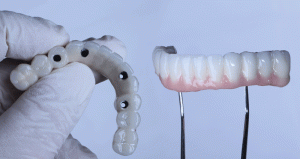
- The restoration: Crown, bridge, or full arch prosthesis you see above the gumline
In most cases:
- The titanium implant is designed to last the longest—often decades or a lifetime.
- The restoration (crown or bridge) may eventually need to be repaired or replaced due to normal wear, just like a crown on a natural tooth.
At JP Prosthodontics, treatment planning for dental implants is built around long-term function, not short-term fixes. That means careful attention to implant position, bite forces, materials, and how the teeth actually come together when you chew.
Typical Lifespan of Dental Implants
Every mouth is different, but research and clinical experience show consistent patterns when treatment and maintenance are done properly.
- The implant itself can last 20+ years and often a lifetime.
- Porcelain or zirconia crowns and bridges may last 10–15 years or more, depending on bite forces, parafunctional habits (like grinding), and home care.
- Full arch solutions like full mouth dental implants can also deliver long-term stability when designed and maintained correctly.
Think of implants as having two timelines:
- The biological timeline (bone and gum health around the implant)
- The mechanical timeline (wear and tear on the restoration)
When both are managed carefully, your implant treatment stays stable and predictable for many years.
What Helps Dental Implants Last Longer
Several factors directly influence how long your implants will last. Some are in your control; others depend on the quality of the provider and planning.
1. Expert Planning by a Prosthodontist
Longevity starts before surgery. A prosthodontist like Dr. Joon Park is trained to look beyond “filling spaces” and instead design a complete system—implants, bite, materials, and jaw joints working together.
Key planning steps at JP Prosthodontics include:
- 3D imaging (CBCT) to evaluate bone quality and anatomy
- Careful implant positioning for ideal force distribution
- Choice of materials (such as high-strength zirconia fixed bridges)
- Detailed bite analysis to prevent overload on individual implants
Good planning dramatically reduces the risk of complications that shorten implant lifespan.
2. Stable Bone and Healthy Gums
Implants rely on a solid foundation of bone and healthy gum tissue. For long-term success:
- Adequate bone volume is needed before placement; bone grafting may be recommended.
- Gum health must be maintained to avoid peri-implant mucositis and peri-implantitis (inflammation and infection around the implant).
- Systemic conditions such as uncontrolled diabetes, autoimmune disease, or smoking can compromise healing and long-term stability.
Regular maintenance visits allow early detection of any changes in bone levels or gum health, so issues can be managed before serious damage occurs.
3. Precise Bite and Force Control
Even a perfectly integrated implant can fail if it’s overloaded by the bite. Implants don’t have the same shock-absorbing ligament that natural teeth do, so they must be integrated into a balanced bite.
To protect implant longevity, JP Prosthodontics may:
- Adjust bite contacts after final restorations are placed
- Recommend a nightguard if you clench or grind
- Reevaluate your bite periodically as part of regular checkups
This is especially critical for complex cases like full arch or full mouth reconstructions, where multiple implants and restorations work together as a system.
4. Consistent Home Care
Implants do not get cavities, but the tissues around them can still become infected. Daily plaque control is non-negotiable if you want your implants to last.
A typical home care routine includes:
- Brushing twice a day with a soft toothbrush and low-abrasion toothpaste
- Cleaning between implants with floss, floss threaders, or interdental brushes
- Using a water flosser if recommended, especially under bridges and full arch prostheses
- Following any specific instructions given for your particular type of restoration
Plaque and bacteria are the enemy of long-term implant health. Removing them daily is one of the most important things you can do.
5. Regular Professional Maintenance
Even with perfect home care, you cannot fully maintain implants on your own. Routine checkups and professional cleanings are essential.
During maintenance visits, JP Prosthodontics will typically:
- Check gum health around each implant
- Evaluate bone levels as needed with radiographs
- Inspect the prosthetic components for wear, cracks, or looseness
- Verify that screws and attachments are secure
- Adjust the bite if any changes are detected
Many implant patients benefit from being seen every 3–4 months rather than just twice a year, particularly if they have multiple implants or a history of gum disease.
What Can Shorten the Lifespan of Dental Implants
Understanding risk factors helps you avoid them. The most common threats to long-term implant success include:
- Smoking or vaping (reduced blood flow and healing)
- Uncontrolled diabetes or other systemic diseases
- Poor oral hygiene and inconsistent home care
- Skipping maintenance visits or delaying treatment when issues appear
- Heavy grinding or clenching without a protective appliance
- Improperly designed or executed implant treatment
If you already have implants and recognize one of these risk factors in your life, it’s not too late to improve your habits and strengthen your long-term outlook.
Signs Your Implants Need Attention
Dental implants should feel comfortable and stable most of the time. If you notice any of the following, it’s a sign that your implants need urgent evaluation:
- Bleeding around an implant when you brush or floss
- Persistent bad taste or odor from a specific area
- Red, swollen, or tender gums around an implant
- A feeling that the implant crown or bridge is loose
- Pain when chewing on a specific implant
- Clicking, popping, or a change in how your teeth come together
Early intervention can often correct the problem and protect both the implant and surrounding bone. Waiting usually makes treatment more complex and less predictable.
How Long Do Full Mouth Dental Implants Last?
For patients who choose full arch or full mouth solutions, longevity becomes even more important. These are major investments that completely change how you function day to day.
When properly planned and maintained:
- The implants supporting a full arch bridge can last decades.
- The prosthesis (such as a zirconia bridge) may eventually be replaced or repaired, but the underlying implants can often remain in place.
- Regular monitoring ensures that forces stay balanced and components remain secure.
If you are considering full arch treatment, the dedicated page on full mouth dental implants explains what to expect from this type of solution in more detail.
The JP Prosthodontics Approach to Long-Term Success
Longevity is not an accident—it’s built into the treatment philosophy. At JP Prosthodontics in Fullerton, CA, implant care is approached with the long game in mind:
- Comprehensive diagnosis using advanced imaging
- Prosthodontic-level planning of your bite and smile design
- Careful material selection tailored to your needs
- Thoughtful staging of treatment in more complex cases
- Structured maintenance and follow-up protocols
The goal is simple: help your implants function comfortably and predictably for as many years as possible.
Ready to Protect or Plan Your Dental Implants?
Whether you’re still researching implants or already have them and want to make sure they last, the next step is a precise evaluation of your mouth, bite, and overall health.
To learn what’s possible for you and how long your implants could last with the right plan, connect with JP Prosthodontics in Fullerton, CA through the practice’s contact page.