

Many older adults assume they are “too old” for dental implants. In reality, age alone is rarely the deciding factor. At JP Prosthodontics in Fullerton, CA, the focus is on overall health, bone quality, and a patient’s ability to heal—not the number of birthdays they have celebrated.
Whether you’re missing one tooth, several teeth, or need a full-arch restoration, dental implants may still be an excellent option well into your 60s, 70s, or even 80s.
This guide explains how age affects implant treatment and what seniors should know before making a decision.
Is There an Upper Age Limit for Dental Implants?
The simple answer is no.
There is no maximum age for receiving dental implants. Many healthy seniors successfully undergo implant treatment every year.
Instead of age, your prosthodontist evaluates:
- Overall medical health
- Bone quality and volume
- Gum health
- Healing ability
- Current medications
- Oral hygiene habits
These factors are much more important than chronological age.
Why Older Adults Choose Dental Implants
Missing teeth can make everyday activities increasingly difficult.
Many seniors experience:
- Difficulty chewing healthy foods
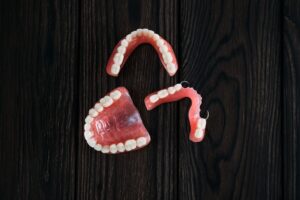
- Loose or uncomfortable dentures
- Reduced confidence while speaking
- Changes in facial appearance
- Progressive bone loss
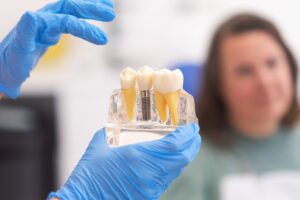
Dental implants address many of these concerns by creating stable tooth replacements that function much like natural teeth.
Benefits of Dental Implants for Seniors
Improved Chewing Ability
Implants provide significantly greater stability than traditional removable dentures.
Patients often enjoy foods such as:
- Fresh fruits
- Vegetables
- Lean meats
- Nuts (when appropriate)
- Crunchy foods they previously avoided
Improved chewing may also support better overall nutrition.
Greater Confidence
Unlike removable dentures, implant-supported teeth remain securely in place.
Patients often appreciate:
- Speaking without worrying about movement
- Smiling confidently
- Reduced dependence on denture adhesives
- Improved comfort during daily activities
Better Bone Preservation
One of the biggest advantages of implants is their ability to stimulate the jawbone.
Unlike dentures, implants help:
- Slow bone loss
- Preserve facial structure
- Maintain jawbone volume
- Support long-term oral health
This makes dental implants unique among tooth replacement options.
Medical Conditions That Require Additional Planning
Many seniors have chronic health conditions that require careful evaluation before implant treatment.
Examples include:
- Diabetes
- Heart disease
- Osteoporosis
- Autoimmune disorders
Having one of these conditions does not automatically prevent implant treatment.
Instead, Dr. Joon Park coordinates treatment planning based on:
- Disease control
- Healing capacity
- Medication history
- Communication with physicians when necessary
Bone Loss Does Not Automatically Eliminate Implant Treatment
Many seniors have experienced bone loss after years of missing teeth.
Fortunately, this does not necessarily prevent implant placement.
Treatment may include:
- Bone grafting
- Strategic implant positioning
- Alternative implant designs
- Customized treatment sequencing
Patients with more advanced tooth loss may also benefit from full mouth dental implants, depending on their individual situation.
What About Denture Wearers?
Many seniors have worn dentures for years before considering implants.
Common complaints include:
- Slipping dentures
- Difficulty chewing
- Sore spots
- Reduced confidence
- Denture adhesives becoming less effective
Implant-supported solutions can dramatically improve denture stability.
Depending on bone availability and treatment goals, options may include:
- Implant-supported overdentures
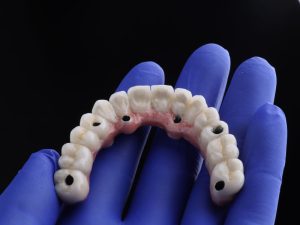
- Fixed implant bridges
- Full-arch implant restorations
Healing After Implant Surgery
Healing times vary from patient to patient.
Factors influencing recovery include:
- Overall health
- Smoking history
- Bone quality
- Medical conditions
- Surgical complexity
Many seniors heal just as predictably as younger adults when systemic health is well controlled.
Following post-operative instructions is essential for successful healing.
How Medications Can Affect Implant Planning
Older adults often take prescription medications that require consideration during treatment planning.
Examples include medications for:
- Osteoporosis
- Blood thinning
- Diabetes
- High blood pressure
Your prosthodontist reviews your complete medical history before recommending implant treatment to ensure your care is as safe and predictable as possible.
Why Comprehensive Evaluation Matters
Every implant case begins with careful diagnosis.
At JP Prosthodontics, the evaluation may include:
- Comprehensive oral examination
- Digital X-rays
- 3D CBCT imaging
- Bite analysis
- Bone assessment
- Medical history review
This allows treatment to be customized rather than using a one-size-fits-all approach.
Why See a Prosthodontist?
Seniors often present with more complex restorative needs than younger patients.
Previous dental work, missing teeth, worn bites, and changes in bone structure require comprehensive planning.
As a prosthodontist, Dr. Joon W. Park focuses on restoring:
- Function
- Bite stability
- Comfort
- Appearance
- Long-term durability
You can learn more about his background on the Dr. Joon W. Park page.
Frequently Asked Questions
Am I too old for dental implants?
Age alone rarely prevents implant treatment. Overall health is usually the determining factor.
Can implants work if I’ve worn dentures for years?
Often, yes. Additional procedures such as bone grafting may sometimes be recommended depending on your jawbone condition.
Are implants worth it later in life?
Many seniors find implants improve comfort, chewing ability, speech, and quality of life compared to removable dentures.
How long do implants last in seniors?
With proper maintenance and regular professional care, implants can remain successful for decades.
Conclusion
Growing older does not automatically mean dentures are your only option.
Dental implants continue to provide reliable tooth replacement for healthy seniors seeking greater comfort, function, and confidence.
At JP Prosthodontics in Fullerton, CA, every treatment plan begins with a comprehensive evaluation of your health, bone quality, and restorative goals to determine the most appropriate solution for your smile.
To learn whether dental implants are right for you, schedule a consultation through the practice’s Contact Us page.